Owl Curiosities
2026-09-17
Edited: 2026-10-08
I visited a bird conservatory last month and it was an interesting experience to see so many owls up close. My friend came up with two questions the guides didn't know how to answer so I decided to research them both.
Why are owl beaks curved?
This question comes in two ways. The easy answer is that birds of prey typically have curved beaks to rend flesh. Owls are birds of prey, so they have adapted to have a curved beak.
The second layer to this question could be, why do they have such short curved beaks?
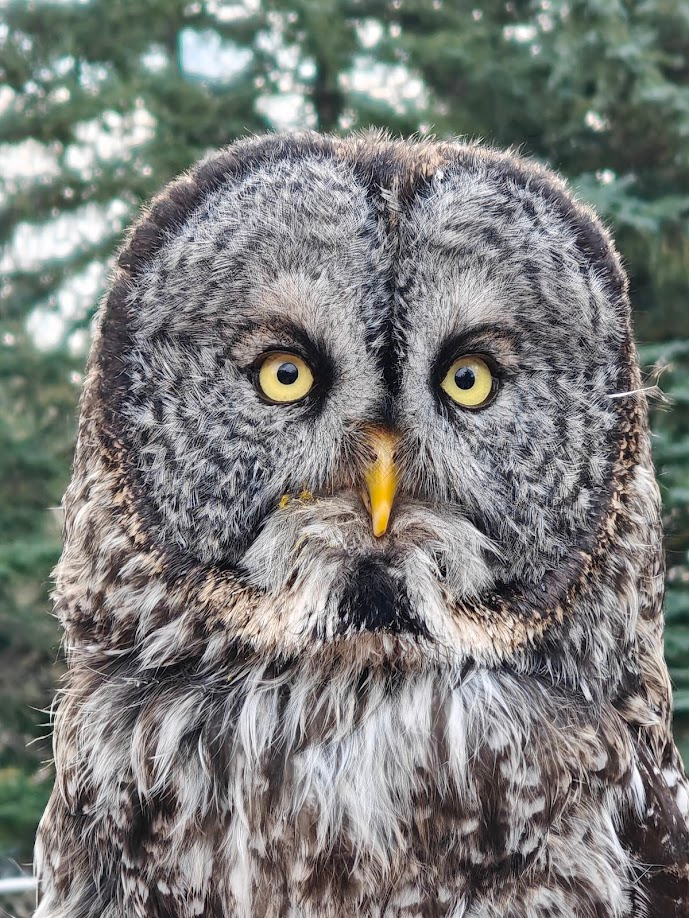
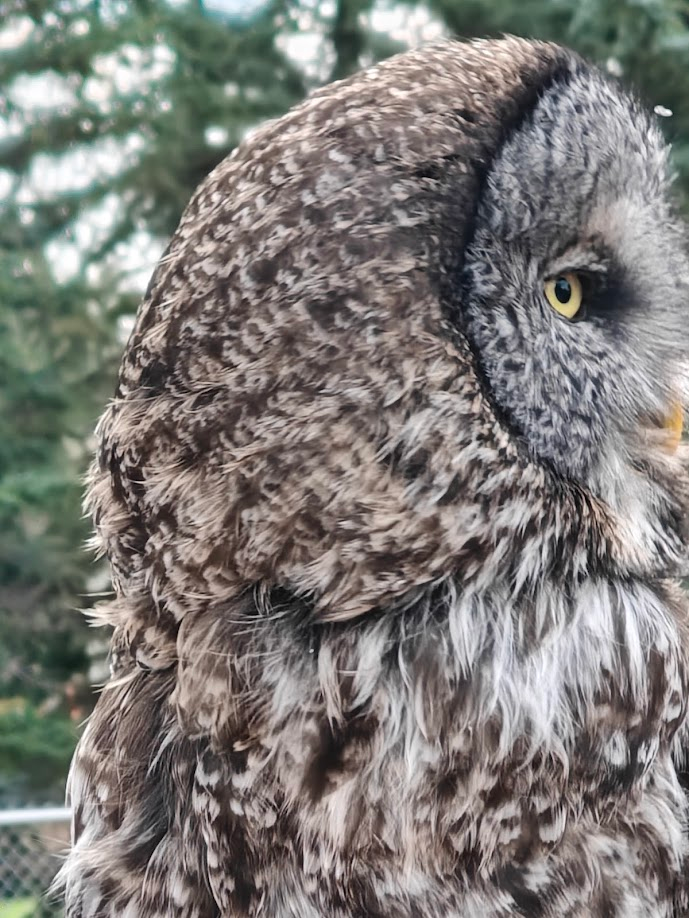
Figure 1. Left: Front facing view of the grey owl. Right: Side view I accidentally took while taking the front facing picture.
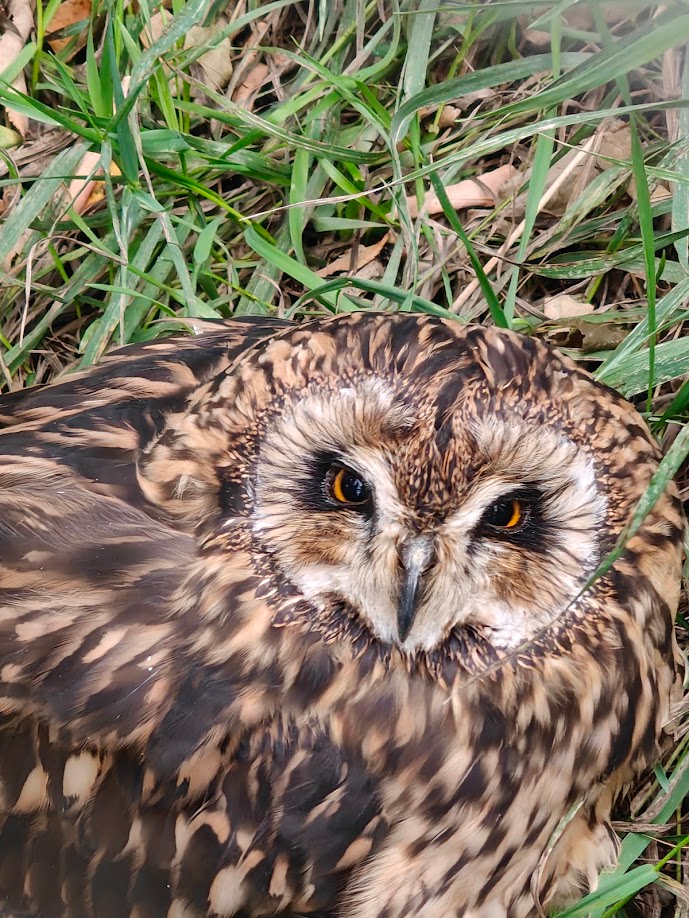
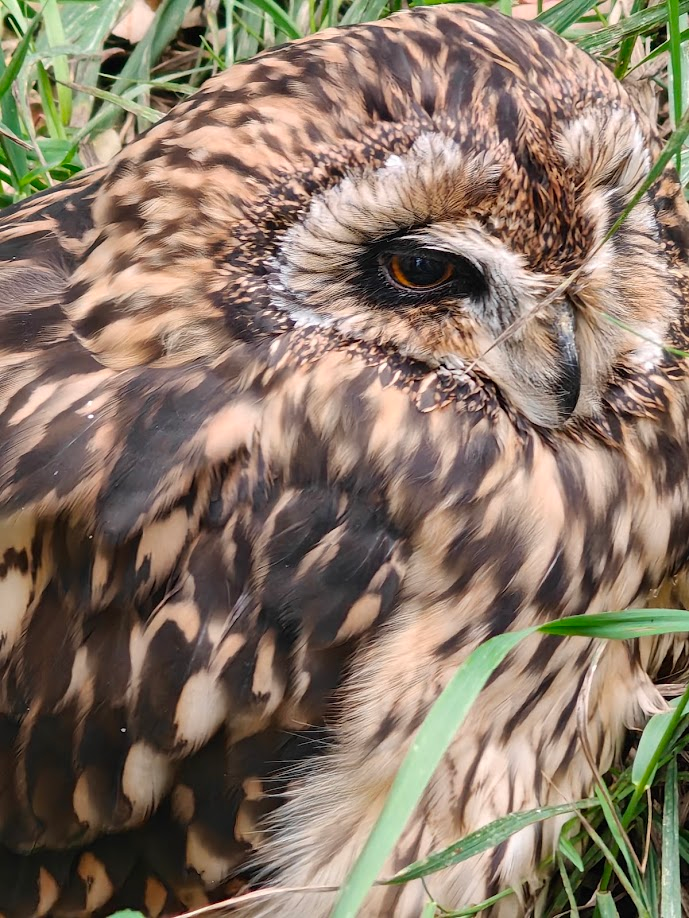
Figure 2. Left: Front facing view of a short eared owl (I think). Right: Three quarter view.
As you can see from these images, it looks like the beaks of these birds are rather small. Are their beaks really this short? No their eyes are just REALLY supported with the sclerotic ring. That's where the tube-like eyeballs of owls rest. They cannot move their eyes so they must rotate their necks to see in the direction they want instead. I made the connection between the beak size when I saw an owl skull at the zoo to the bird sanctuary day.
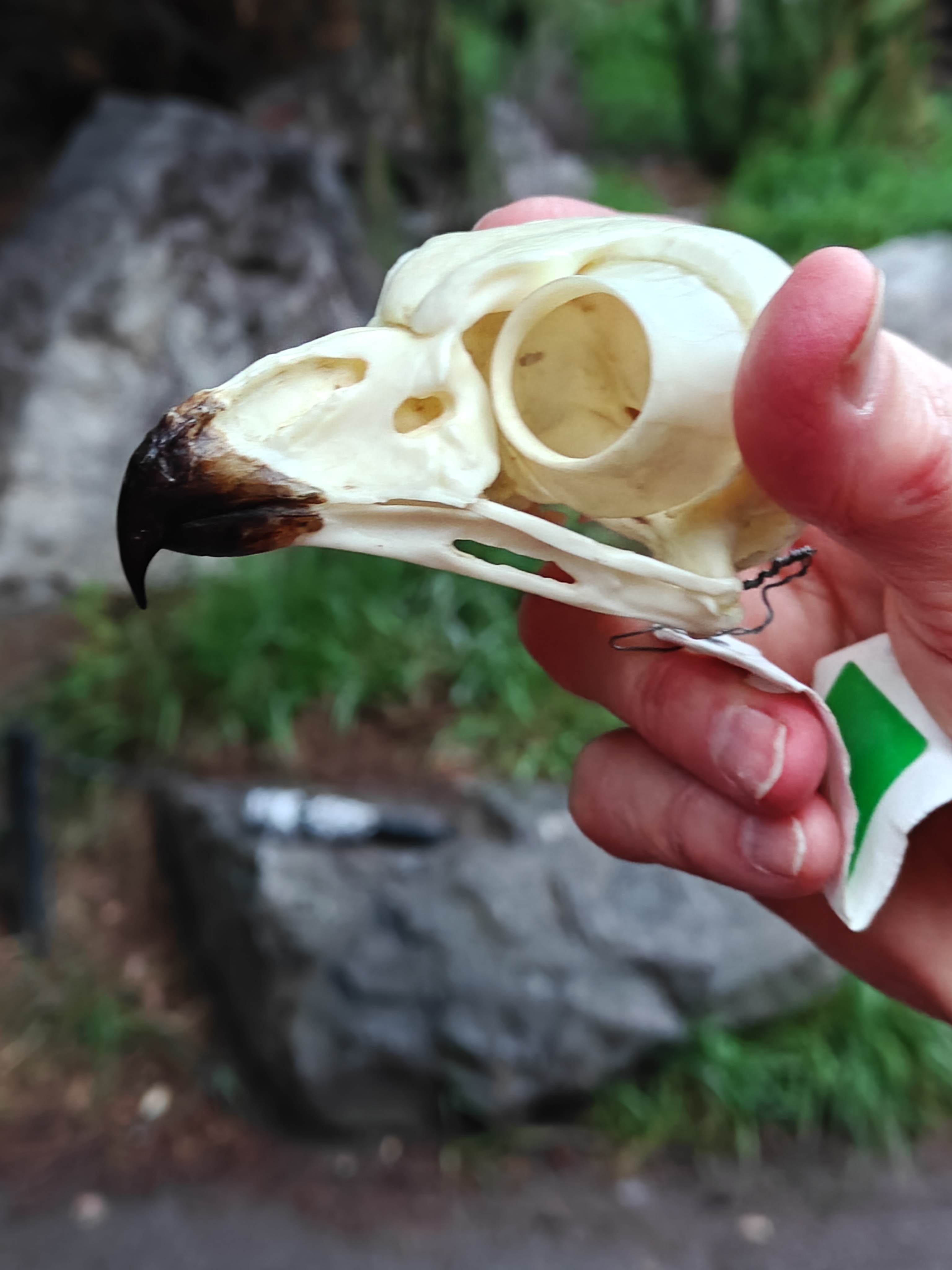
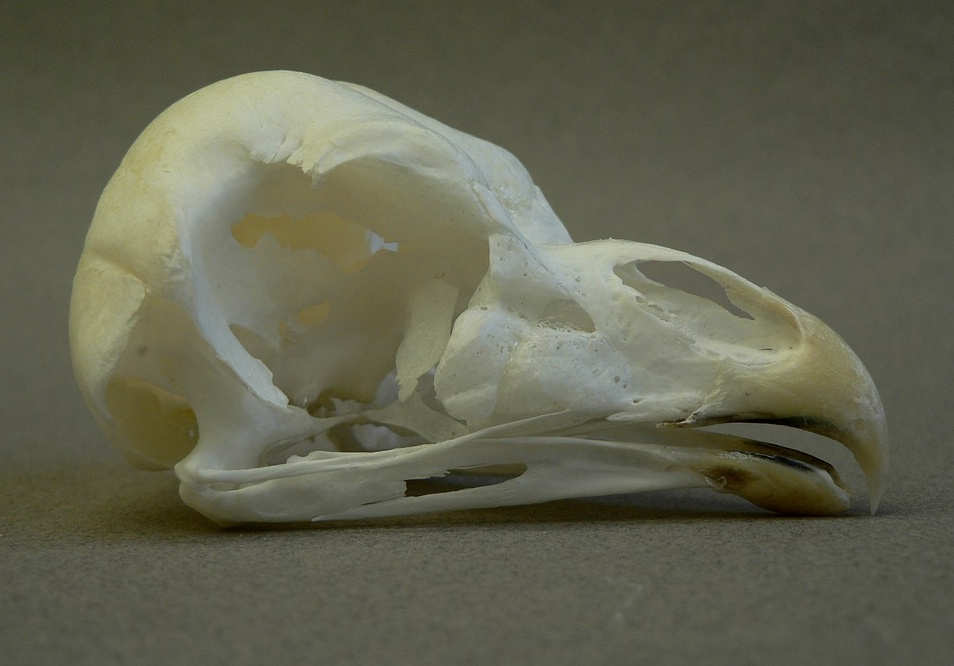
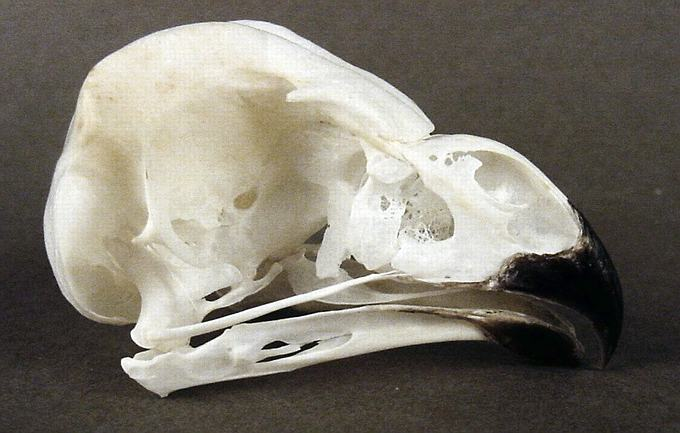
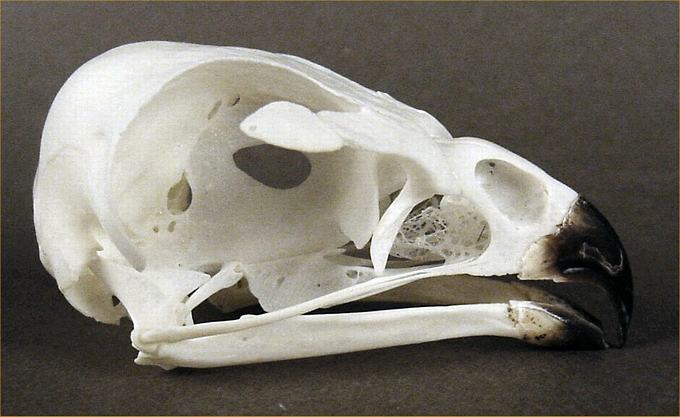
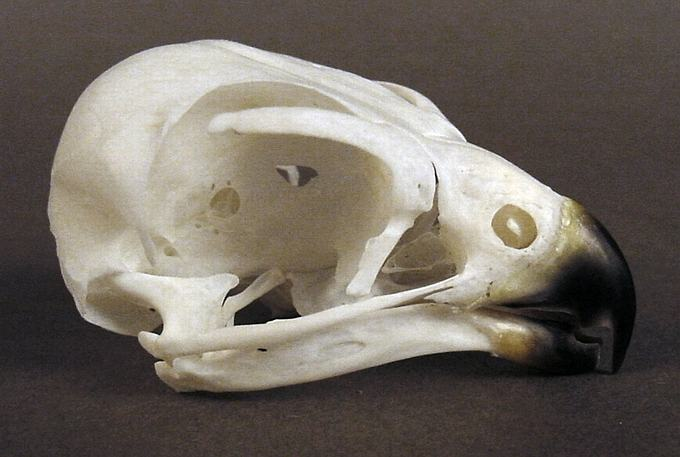
Skulls from "skullsite": grey grey owl, short eared owl, red tailed hawk,
and the peregrine falcon
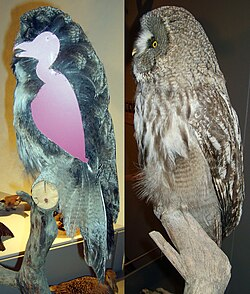
You can see the peregrine falcon has the smallest beak to skull ratio and the owl beaks look indistinguishable to the hawk in the way they have a similar length and hook. Why the big difference in profile? Owls are 75% feathers! This image from the Copenhagen Zoo Museum aptly shows the amount of feathers a grey owl has compared to its body. There are so many moving parts to the owl. Now why would the owl need a flat styled face? To funnel sound into their ears. The disk shape is known to help capture the sounds of a mouse scurrying across a field. Why are the feathers so dense? They are specialized to fly silently to ambush their prey. Their feathers have different structures compared to other birds, where their feather distribution was noted to form a "velvet-like" surface to soften the noise.
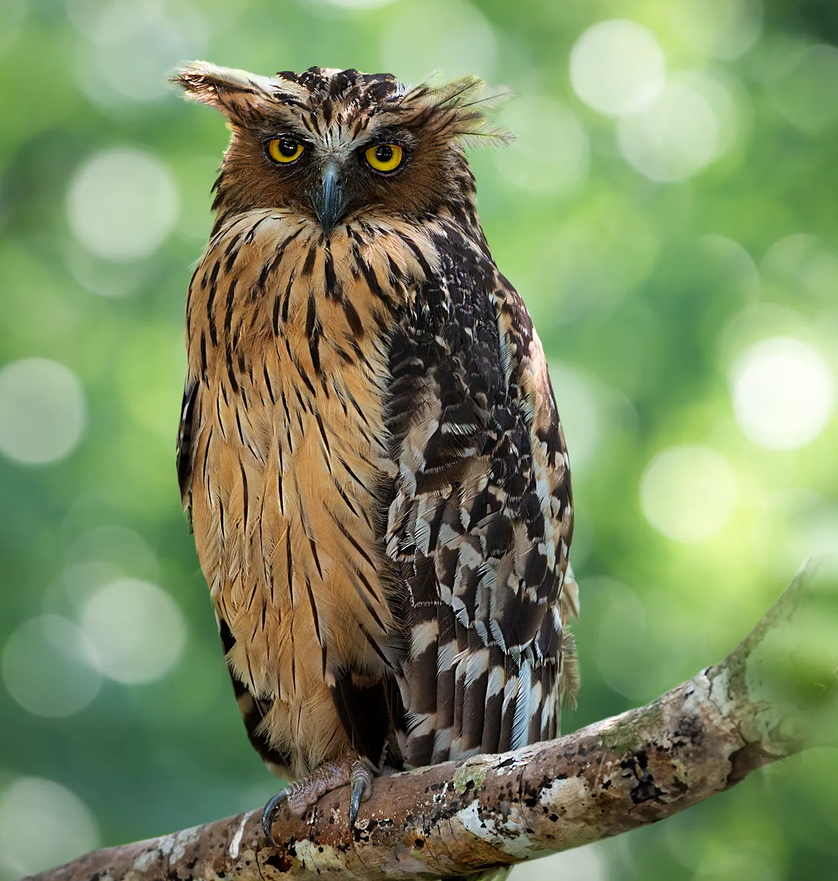
This is in contrast to owls that may not need as much stealth. The Fish Owls are noted to be much less composed and their feathers are in more disarray compared to other owls. As the categorical name states, their main prey are fish, and they do not need to be as quiet to ambush their prey. I find it so interesting how owls have evolved where one piece informs another!